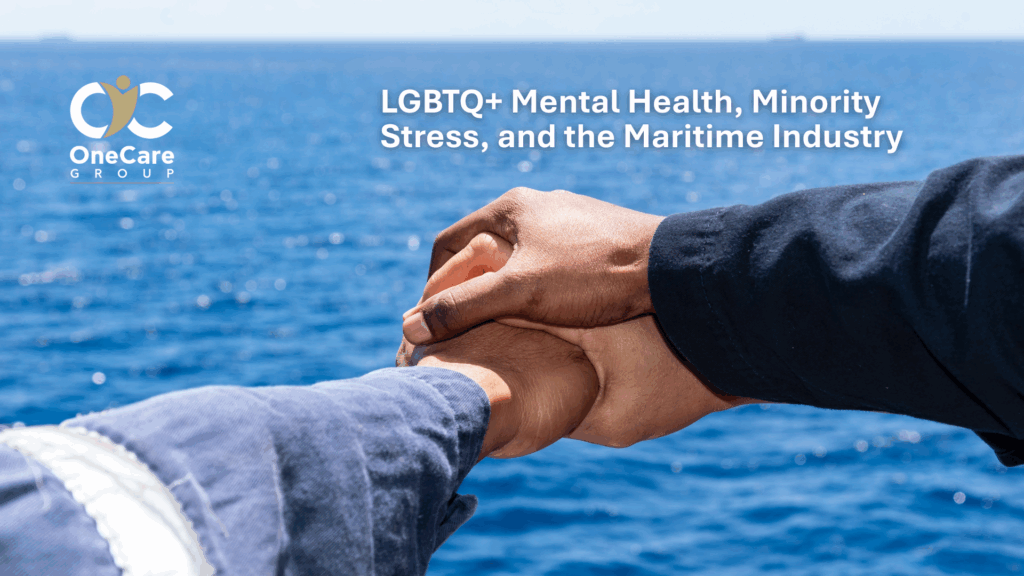
The hierarchical nature of the maritime industry presents a unique set of challenges for mental well-being. While seafarers and shore-based personnel alike face multiple pressures of demanding work, LGBTQ+ individuals within this sector navigate an additional, often invisible, burden. The disproportionately poorer mental health outcomes observed among lesbian, gay, bisexual, transgender, queer, and other sexual and gender minority (LGBTQ+) people indicate a direct consequence of systemic and interpersonal prejudice, discrimination, and stigma.
This phenomenon has been explained by Dr. Ilan Meyer in the 1990s and has been widely known and recognized as the “Minority Stress Theory”. This theory suggests that the chronic, unique, and socially-driven stressors faced by minority groups contribute significantly to their mental health disparities. Unlike general life stressors, minority stress is directly linked to an individual’s stigmatised social identity. For LGBTQ+ seafarers, this may manifest as a pervasive burden that can erode well-being over time, often intensified by the confined, isolated, and often hyper-masculine environment at sea.
The stressors can be broadly categorised into two types:
The impact of these combined stressors on mental health is profound and well-documented in research. LGBTQ+ individuals experience significantly higher rates of depression, anxiety disorders, post-traumatic stress disorder (PTSD), substance use disorders, and suicidal ideation and attempts. For seafarers, existing risk factors like isolation, fatigue, and limited access to mental health services are compounded by minority stress, potentially leading to more severe outcomes.
Addressing LGBTQ+ mental health disparities within the maritime industry requires a concerted effort from all stakeholders. Let’s consider some key recommendations for fostering a more inclusive and mentally healthy maritime environment for LGBTQ+ individuals:
Creating a safe, inclusive, and mentally healthy environment for LGBTQ+ seafarers is not only a matter of human rights—it is vital for crew well-being, performance, and retention. Addressing the unique mental health challenges faced by LGBTQ+ individuals at sea requires industry-wide commitment, from policy implementation to cultural change.
Shipping companies and maritime organizations play a critical role in driving this progress. By fostering a culture of respect, openness, and psychological safety, they can ensure that every seafarer—regardless of identity—feels valued and supported.
To learn more about how your company can support LGBTQ+ seafarers and implement inclusive mental health strategies, contact [email protected] or through our website here.
Together, we can create a maritime industry where diversity is respected and every seafarer can thrive.
By OneCare Group Editorial Team