
Being away from home for extended periods of time is one of the more quietly demanding aspects of life at sea. And no matter how many contracts a seafarer has signed, or how many goodbyes have come before, missing the people we love does not become less significant simply because it is familiar.
Birthdays pass and milestones happen. A child takes their first steps, a family gathers around a table, and someone is somewhere in the middle of the ocean, watching it through a screen from thousands of miles away. These are the moments that stay with people long after the contract ends, and they are something I hear about regularly in my work as a maritime psychologist.
What I also hear, just as often, is the weight of missing out and the helplessness of not being physically present. And on the other side, families onshore who wonder whether a quick message is even worth sending, or whether they are only adding to the pressure of someone who is already carrying a great deal. It is always worth sending, and that cannot be said clearly enough.
One of the most important things I have come to understand, both through my work and personally, is that staying connected does not require grand gestures or perfect timing. It requires consistency. A voice message left while the other person sleeps, a photo of something small and ordinary, a text that simply says “saw this and thought of you”, these things carry more weight than most people realise. They build a thread that keeps people close across thousands of miles and serve as a reminder that the distance is something being navigated together.
What also deserves to be acknowledged is something that does not get said enough. The kind of relationship that survives and grows through this level of distance and commitment is a remarkable one. It requires a depth of trust, patience, and intentionality that most relationships are never asked to develop. There is something genuinely special about two people who choose each other across time zones and long stretches of silence, who find ways to remain present for one another in circumstances that would challenge anyone. That is not a compromise, that is a profound expression of commitment.
Every seafarer family finds its own rhythm, and that rhythm will not look like anyone else’s. Some stay close through daily check-ins, others through letters or gifts sent ahead to ports, or simply knowing each other’s schedules well enough to feel present even in silence. There is no right way to maintain closeness across distance. The only thing that matters is continuing to show up, in whatever form that takes.
The small updates that may feel insignificant are a window into a world that the people at home deeply want to be part of. And for families onshore, reaching out, even without knowing exactly what to say, matters more than most people give themselves credit for. Presence, even from a distance, is everything.
By Stella Kiss, Head of Clinical Operations.
We all face stressful, rainy, and moody days – life isn’t just a pile of happy and care-free moments. Seafarers often face extreme weather conditions, time away from family, demanding shifts and isolation. At times of distress, it’s difficult to think rationally, and we often allow our emotional brain to overshadow our decisions and behaviours, causing problems in the future, and sometimes influencing our work on board.
When life is serving us with bad news or unfortunate events, it’s helpful to be able to access resources and remind ourselves of self-soothing strategies. We can think of it as our own personal toolbox, where we can gather techniques, skills, personal/meaningful items, and practices to turn to when we are feeling stressed, overwhelmed or low. We can think of it as preparing for bad days during the good ones!
It’s useful to keep our Mental Health Toolbox in a prominent place, so that when we feel overwhelmed by life stressors or emotions, we can easily access and use it to feel better.
How to create your own
- You can use any bag or box or other container (i.e., an old shoebox you do not need anymore, a delivery box nobody needs anymore in the vessel), personalise it and decorate it as you wish. For example, some people may want to paint it, create a collage with soothing imagery or write notes on it.
- Collect items that are meaningful to you, or you know that can be helpful and emotionally soothing if you are feeling distressed on board. For example, it can be a photo of loved ones, a book, a journal; anything that you would like or find helpful to cope with. If the items you’ve thought of cannot be put in the box due to not being materialised, being used daily, or not being available on board, you can include a reminder of them (i.e., if you love plants and flowers, you can add a photo or drawing of such).
- Collect items that are stimulating to your five senses – vision, hearing, smell, taste, touch. For example, you can collect photos of beautiful places or places you’d like to visit, voice notes and recordings of music or love messages from friends, sweets, snacks or treats you love, your favourite coffee or perfume, soft teddies or your favourite blanket. Using your senses to self-sooth, ground yourself and feel calmer is found to be very helpful when in distress.
- Create a go-to list of things to do – for example activities you enjoy, people you would like to see and talk to if things are muddy, songs that you’d like to listen to, shows that you’d like to watch.
- Gather items that require attention and concentration, such as puzzles, scramble, games, arts and crafts, or colouring books – get some ideas from activities available on board!
- Add a prompt for physical exercise, as movement can release endorphins in your brain and make you feel better. For example, you can add an item to represent your favourite sport, or something in relation to running, walking etc.
- Add activities that can help you make sense of your emotions – mental health prompts, journal notebook and pen, or cards with affirmations.
- Write a letter to yourself to keep in the toolbox and read when you are going through difficult times. The letter can include something comforting, inspiring, loving and caring. If you don’t want to write a letter to yourself, you could ask a loved one to write one for you.
- Include any prompts to digital tools that could act as coping mechanisms when you are feeling overwhelmed, such as meditation apps, calming sounds (i.e., white noise), mood tracking.
- Identify emergency contacts – write the names of supportive friends, family members and/or professionals you could reach out in times of need.
Need to Support your Crew? Connect with OneCare Group
While a personal toolbox is a powerful step for Seafarers, OneCare Group offers comprehensive mental health support, to companies that want to safeguard their crews’ wellbeing. OneCare Group understands the specific needs of seafarers and offers dedicated resources to bridge the gap between life at sea and professional care. From remote counselling to tailored wellness programmes, OneCare Group is committed to ensuring seafarers have access to the support they deserve.
To learn more about how OneCare Group can provide additional support and resources for your crew’s mental well-being at sea, contact us through email at info@onecaregroup.global or though the website here. Their well-being is our priority, helping your company navigate every journey with a stronger, more resilient crew.
References
Sokmen, Y. C., & Watters, A. (2016). Emotion Regulation with Mindful Arts Activities Using a Personalized Self-Soothing Kit. Occupational Therapy in Mental Health, 32(4), 345–369. https://doi.org/10.1080/0164212X.2016.1165642
Jenkins, A., Guttridge, L., & Kapoor, A. (2024). Evaluating the effectiveness of personalised self-soothe boxes on distress levels in an acute adult inpatient mental health setting. Abuse: An International Impact Journal, 5(2), 52–67. https://doi.org/10.37576/abuse.2024.061
Linehan, M. (2015). DBT skills training manual (Second edition). The Guilford Press.
The hierarchical nature of the maritime industry presents a unique set of challenges for mental well-being. While seafarers and shore-based personnel alike face multiple pressures of demanding work, LGBTQ+ individuals within this sector navigate an additional, often invisible, burden. The disproportionately poorer mental health outcomes observed among lesbian, gay, bisexual, transgender, queer, and other sexual and gender minority (LGBTQ+) people indicate a direct consequence of systemic and interpersonal prejudice, discrimination, and stigma.
This phenomenon has been explained by Dr. Ilan Meyer in the 1990s and has been widely known and recognized as the “Minority Stress Theory”. This theory suggests that the chronic, unique, and socially-driven stressors faced by minority groups contribute significantly to their mental health disparities. Unlike general life stressors, minority stress is directly linked to an individual’s stigmatised social identity. For LGBTQ+ seafarers, this may manifest as a pervasive burden that can erode well-being over time, often intensified by the confined, isolated, and often hyper-masculine environment at sea.
The stressors can be broadly categorised into two types:
- External, objective experiences of prejudice and discrimination: overt acts of harassment or bullying onboard, directed at LGBTQ+ crew members, or subtle but pervasive discrimination in hiring, promotion, or assignment of duties by companies lacking robust diversity and inclusion policies.
- Internal, subjective experiences based on an individual’s perception and internalisation of societal prejudice: internalised homophobia/biphobia/transphobia, where individuals absorb negative societal messages about their sexual orientation or gender identity, leading to self-hatred, shame, or guilt (this may be exacerbated in environments where such identities are rarely discussed openly or are met with silence or disapproval), concealment, the decision to hide one’s true identity to avoid discrimination, social ostracisation in close quarters, or career repercussions.
The impact of these combined stressors on mental health is profound and well-documented in research. LGBTQ+ individuals experience significantly higher rates of depression, anxiety disorders, post-traumatic stress disorder (PTSD), substance use disorders, and suicidal ideation and attempts. For seafarers, existing risk factors like isolation, fatigue, and limited access to mental health services are compounded by minority stress, potentially leading to more severe outcomes.
Addressing LGBTQ+ mental health disparities within the maritime industry requires a concerted effort from all stakeholders. Let’s consider some key recommendations for fostering a more inclusive and mentally healthy maritime environment for LGBTQ+ individuals:
- Implement anti-discrimination policies: Shipping companies and maritime organisations must establish clear, non-discriminatory policies that explicitly protect LGBTQ+ employees from harassment, bullying, and discrimination in recruitment, training, promotion, and onboard life. These policies must be clearly communicated and consistently enforced with zero tolerance.
- Foster open communication and reporting procedures: Create safe, confidential channels for LGBTQ+ seafarers to report incidents of discrimination or harassment without fear of reprisal, ensuring that all concerns are taken seriously and addressed promptly.
- Provide Equality, Diversity and Inclusion (EDI) Training: Offer mandatory training for officers, crew, and shore-based staff on LGBTQ+ identities and the importance of an inclusive workplace.
- Promote allyship: Company leadership and senior officers should visibly champion diversity and inclusion initiatives for LGBTQ+ employees. Encouraging and supporting LGBTQ+ employee support groups can foster a sense of community and belonging.
Creating a safe, inclusive, and mentally healthy environment for LGBTQ+ seafarers is not only a matter of human rights—it is vital for crew well-being, performance, and retention. Addressing the unique mental health challenges faced by LGBTQ+ individuals at sea requires industry-wide commitment, from policy implementation to cultural change.
Shipping companies and maritime organizations play a critical role in driving this progress. By fostering a culture of respect, openness, and psychological safety, they can ensure that every seafarer—regardless of identity—feels valued and supported.
To learn more about how your company can support LGBTQ+ seafarers and implement inclusive mental health strategies, contact info@onecaregroup.global or through our website here.
Together, we can create a maritime industry where diversity is respected and every seafarer can thrive.
By OneCare Group Editorial Team
by the OneCare Group Editorial Team
Addressing mental health concerns while at sea is crucial for fostering a supportive and productive environment with colleagues. Recognizing the signs of distress and taking the right steps to intervene can make a significant difference to someone’s well-being, and in some cases even prevent suicide. Mental health challenges can affect anyone, regardless of their protected characteristics and can impact on their performance, relationships, and overall morale. With the right approach, crew members can be encouraged to seek help and find support tailored to their needs.
Working at sea presents unique mental health challenges due to isolation, separation from loved ones, stressful conditions, long working hours, and limited access to support. Sometimes you may worry about someone and feel unsure about how to approach them or to show your compassion and support.
If you are concerned about a fellow crew member, you can follow these steps to intervene effectively:
Firstly, you have to recognize the signs. You can notice behavioral changes such as social withdrawal, increased irritability, or lapses in concentration, as well as any expressions of loneliness, homesickness, or stress. Consider whether your colleagues appear with physical changes as well; for example, have they been sleep deprived? Have they lost their appetite for food? Do they seem tired all the time? If so, notice the patterns of these changes.
Then, you can start a private conversation. Find a quiet, confidential place in the vessel to talk, such as the mess hall during off-hours or a private room. Ensure that nobody else can overhear your conversation and help your colleague open up about what’s on their mind. You need to use a calm and understanding tone that shows empathy, compassion and care. You can say “I’ve noticed you’re not yourself lately. Do you want to talk?” or “What has been going on for you this week? Is everything okay?”. Try to use open questions to encourage them to talk and reflect. Listen attentively and acknowledge their feelings. Avoid being judgmental; instead try to be compassionate and do not downplay their feelings. You can use phrases like, “You’re not alone in this” rather than “Just deal with it”.
Establishing an open dialogue with someone you are worried about can help to build trust and rapport with them. Once trust is developed, you can suggest onboard support resources such as the Captain, Medical Officer, or available mental health helplines. You can also offer practical support, if you can, such as accompanying them to speak to a Senior Officer.
You can check-in with your colleagues regularly, and follow-up on how they are feeling during meal times, breaks or other shared activities to show your ongoing support. If someone is not ready to talk about what’s going on or not ready to seek professional support, try to be patient and consistent with your encouragement and take action if needed. For instance, if their behaviour suggests a crisis (e.g., suicidal thoughts), report it to the Captain or Medical Officer immediately. You can do this by ensuring confidentiality while prioritizing their safety. By being proactive and compassionate, seafarers can create a supportive environment that fosters mental well-being and ensures individuals receive the help they need.
References
Owens, C., Derges, J., & Abraham, C. (2019). Intervening to prevent a suicide in a public place: A qualitative study of effective interventions by lay people. BMJ Open, 9(11), e032319. https://doi.org/10.1136/bmjopen-2019-032319
American Foundation for Suicide Prevention (n.d.) What to do when someone is at risk. Last Accessed from: https://afsp.org/what-to-do-when-someone-is-at-risk/
Samaritans (n.d.) What to do if you think someone isn’t OK. Last Accessed from: https://www.samaritans.org/how-we-can-help/if-youre-worried-about-someone-else/
Photo credit
Photo by Etienne Boulanger on Unsplash
by the OneCare Group Editorial Team
Autism Spectrum Disorder (ASD) is a developmental condition that affects how individuals communicate, interact, and experience the world. Recognised as a spectrum, it encompasses a diverse range of characteristics, strengths, and challenges unique to each individual. Autism presents differently in each individual, but there are some common traits that many autistic people share. These may include:
- Differences in social communication – Autistic individuals may find it challenging to understand social cues, maintain conversations, or engage in conventional small talk. Some may prefer direct and honest communication over social performance.
- Repetitive behaviours and routines – Many autistic individuals rely on structured routines to navigate their daily lives. Changes in routine can be distressing, as predictability provides comfort and stability.
- Sensory sensitivities – Heightened or reduced sensitivity to sound, light, textures, or smells is common. This can lead to either sensory overload or seeking sensory input for regulation.
- Deep interests and strengths – Autistic people often develop deep knowledge and expertise in specific subjects. Their intense focus and passion can lead to exceptional skills in various fields, such as technology, research, and the arts.
- Emotional regulation and mental health – Anxiety and stress are prevalent among autistic individuals, often due to societal pressures, misunderstandings, and the effort required to mask autistic traits in social settings.
Neurodiversity, a broader concept, acknowledges that variations in brain function and behaviour are natural, promoting the idea that neurodevelopmental differences, such as autism, ADHD, and dyslexia, should be recognised and valued rather than pathologised. Valuing neurodivergent employees’ strengths allows organisations to foster innovation, enhance productivity, and create a more inclusive workplace culture. Autistic individuals bring unique skills, including but not limited to:
- Attention to detail – Exceptional ability to notice patterns and inconsistencies, crucial for roles in data analysis, research, and quality control.
- Creative problem-solving – Many neurodivergent employees think outside the box, offering fresh perspectives and innovative solutions.
- Reliability and dedication – A strong sense of commitment and loyalty to tasks, with a focus on achieving high standards of work.
Despite these advantages, many workplaces are not yet fully inclusive of neurodivergent individuals. Understanding and accommodating their needs through reasonable adjustments can create a more supportive and productive work environment.
Want to Learn More?
Don’t hesitate to contact us if you’re interested in:
- Raising Autism and Neurodiversity awareness at the workplace.
- Understanding in-depth the value of neurodivergent employees, the strengths and challenges individuals may face on their regular routines
- Fostering a more inclusive and autism-friendly working environment.
- Providing reasonable adjustments for neurodivergent employees.
Together, we can build an inclusive and supportive workplace for all.
Contact us at training@onecaregroup.global for further information.
Photo credits
Photo by Annie Spratt on Unsplash
by the OneCare Group Editorial Team
2025 is here. Whether you are already engaged in a well-being and psychotherapeutic journey, or you are at the starting point, there are a lot of ways to focus on improving our mental health in the new year while being on board. Sticking to resolutions has been proven to be extremely difficult for some, due to setting unrealistic expectations and lack of resources on the vessel. Focusing on mental health goals can be a good gateway to a more fulfilling year, especially if you will be away from loved ones for long periods of time.
- Reflect On Lessons Learned In 2024
Spend some time reflecting on the past year – the lessons taught, the unfulfilled hopes and dreams, the successes, accomplishments and personal growth, but also the unforgettable mistakes, mis-happenings and failures. We all have good and bad days, memories we want to remember in the years to come, and things we’d like to forget forever. What are the things you have accomplished and feel proud of? Is there anything you would have liked to do, and feel you haven’t had the time to do so? Is there anything you would like to do differently? What lessons are you taking forward in 2025?
- Commit To Personal Growth
It’s easy to say, but difficult to do – challenge yourself to become better each day. It doesn’t have to be big changes. In fact, change happens in small steps, and time is your ally when you want to see improvements in your personal life. You can push your boundaries, learn new things, question old ideas and assumptions, reach goals you always wished to accomplish. Self-discovery can be a rocky journey, but it will boost your confidence and help you learn more about yourself and who you are as a person.
- Start An Unfamiliar Activity
Have you ever picked up a book? Used arts and crafts? Wrote a book chapter or an article? Watch sports? Went to the theatre? Life is full of fun activities and while some of them may be familiar to us through active or past engagement, some we may have never considered. Challenging ourselves to try something new, learn new skills, and meet like-minded people can increase our self-esteem and help us feel more connected to our bodies and others. Don’t be afraid to introduce a new activity on board or participate in activities available on your vessel that you have not tried before.
- Reconnect With A Loved One
Interpersonal relationships are vital for our mental health and well-being. Strong bonds and long-lasting friendships can help us combat loneliness, feel connected and taken care of, feel loved and fulfilled. Sometimes life gets in the way, and we may have lost touch with loved ones due to the everyday stressors we have been dealing with and the lack of time. Consider writing to a long-lost friend – send them a text, or an email, or even call them; ask them how they have been, if there is something new going on in their lives; express your desire to reconnect when you return from your trip on board and how you are feeling for them. What’s better than coming to the other side of 2025 with an old friend?
- Reconsider Your Social Media Use
We know social media can affect our mood, nature of relationships and stress levels, especially following long shifts on board. With 2025 knocking on our door, it’s beneficial to rethink our relationship with social media and our online presence. What social media posts do you engage with? Do you consume too many negative comments, news and posts? Do you spend too many hours on social media? Do you compare yourself with others? Do you post regularly? If you do, what is your motivation for doing so? Re-evaluate your social media use, frequency and reasoning; challenge yourself to limit the time spent online; delete time-sucking applications from your phone; set some boundaries. In the digital world, it’s hard to do, but not unattainable.
- Write A Letter To 2026 Self
Reflect on where you would like to be next year, and what your next year self would like to hear from you. Write a letter to share appreciation to yourself, show self-compassion and set goals you’d like to achieve in 2026.
Photo Credits
by the OneCare Group Editorial Team
In our hyperconnected world, the allure of screens—phones, tablets, laptops—is nearly impossible to resist. While technology enables convenience and connectivity, excessive screen time has been scientifically linked to various physical, mental, and emotional health issues. A digital detox is not just a trendy concept; it’s a necessary step toward preserving our overall well-being.
The Harm of Excessive Screen Time
- Impact on Mental Health:
Studies reveal that prolonged screen use is associated with increased rates of anxiety, depression, and poor sleep quality. The blue light emitted by screens can disrupt the production of melatonin, the hormone responsible for regulating sleep, leading to insomnia or poor-quality rest. - Physical Health Concerns:
Extended periods of screen use can result in digital eye strain (also known as computer vision syndrome), which includes symptoms like dry eyes, headaches, and blurred vision. Additionally, sitting for hours while using devices contributes to sedentary behavior, raising risks for obesity, cardiovascular diseases, and musculoskeletal issues. - Cognitive Overload:
Constant notifications and multitasking on devices reduce attention span and memory retention. They create a state of hyper-stimulation, leaving us mentally fatigued and less focused.
How to Detox from Screen
- Set Boundaries
- Allocate specific times of the day as “screen-free zones,” such as during meals or the hour before bedtime.
- Use apps to track and limit screen usage.
- Engage in Offline Activities
- Pursue hobbies like reading, gardening, or cooking to reduce your reliance on digital entertainment.
- Replace virtual interactions with face-to-face connections whenever possible.
- Adopt the 20-20-20 Rule
- Every 20 minutes, take a 20-second break to look at something 20 feet away. This can alleviate eye strain.
- Establish a Tech-Free Sleep Routine
- Keep devices out of the bedroom to improve sleep quality. Opt for an analog alarm clock instead of relying on your phone.
- Embrace Digital Minimalism
- Curate your online environment by unfollowing accounts that don’t add value to your life and decluttering your apps to reduce distractions.
A Balanced Approach

Detoxing from screens doesn’t mean abandoning technology entirely; instead, it’s about creating healthier habits to prioritize your mental and physical well-being. By setting boundaries and integrating offline activities into your daily life, you can reclaim your focus, reduce stress, and enhance your overall quality of life.
Take the first step today—disconnect to reconnect with yourself and those around you.
Stay tuned for more updates from our team!
by the OneCare Group Editorial Team
June is Men’s Mental Health month, a month dedicated to highlighting the urgent need to address the stigma surrounding men’s mental health.
At OneCare Group, when it comes to health and well-being, we are always happy to climb aboard and help.
Did you know?
- Each year, six million men experience depression.
- Ninety percent of people diagnosed with schizophrenia by the age of 30 are men.
- Men account for roughly 80 percent of suicide cases.
- Almost 75 percent of illicit drug users are men.
- Only one third of therapy patients are men.
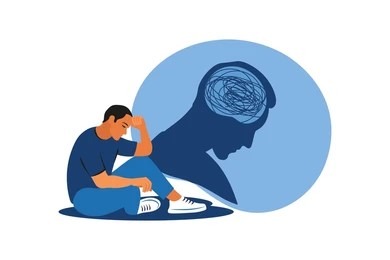
Could you, or someone you know, be struggling with a mental illness?
Below are some of the signs to look out for:
- Increased irritability
- Aggression
- Escapist behaviour such as going out more, drinking or socialising more
- Avoiding family and friends
- Engaging in risky behaviour
- Digestive issues
- Irregular sleep
- Feeling restless, or numb and unable to enjoy anything
From infancy, men and women are raised to be different in emotional expressiveness. Girls are encouraged to talk about their feelings, whereas boys are bombarded with messages not to cry. Still today, the idea perseveres “big boys don’t cry”, and this message has permeated to our everyday life. Masculinity has connotations of being strong, and of being in control of emotions. This culture is even more prevalent in the maritime industry, where seafarers are expected to be strong, and able to withstand the emotional toll of the job. There is also a real fear that speaking about mental health problems will have consequences on future contracts.
In a UK-based survey, the most cited reason for not talking about a problem is that men believe that they are dealing with it, and don’t want to burden anyone with their problems. They feel ashamed to admit that they are struggling, and don’t want to admit it or appear weak.
Men are not only raised not to talk about emotional difficulties, they also have trouble recognising when they are suffering from something. One study showed that most men do not distinguish between depression and stress, which means that they believe that their symptoms of depression may actually be “stress”. This means they are more likely to dismiss their symptoms, and this prevents them from seeing a need do something about, especially if their low mood and anxiety is partly due to work-related pressures.
 For men, work can contribute to worsening mental health if they believe they are not skilled enough to meet the demands of their job; that they do not have a sense of control; they do not receive acknowledgement for their effort; and they have unrealistic expectations of themselves. Again, this is particularly relevant to seafarers, who have increasing demands on the amount of knowledge they are meant to have.
Other risk factors include:
- Marital difficulties
- Employment-related stress
- A history of trauma
- Family members with mental health issues
- Financial concerns
If you recognise that you may be experiencing depression or another mental health issue, seek support.
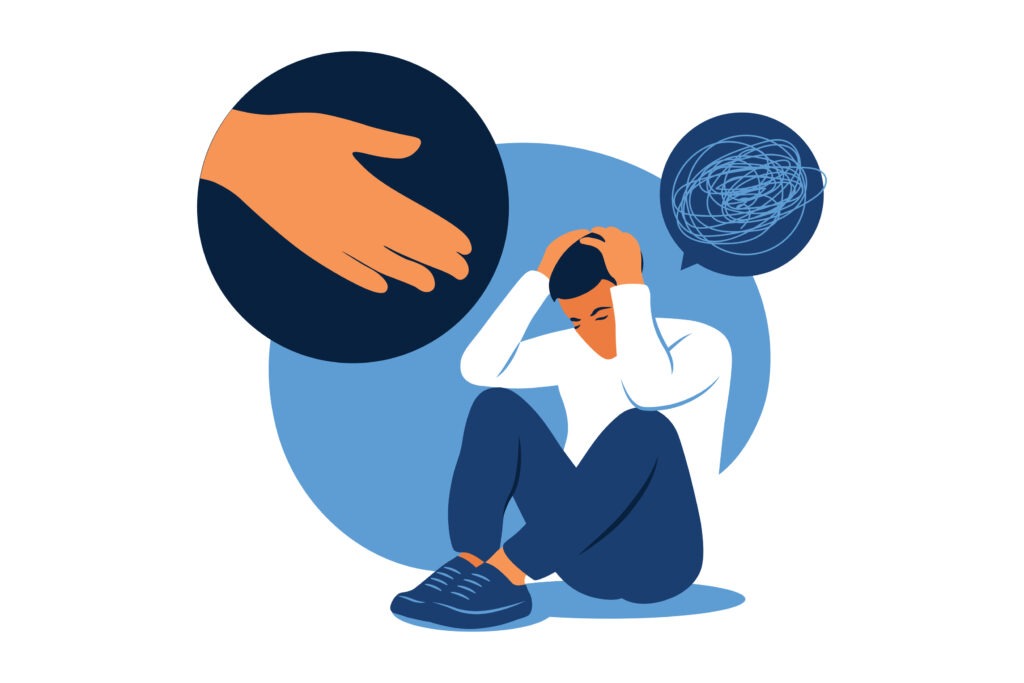
You may believe that reaching out for help may be a sign of weakness, but in reality, asking for help shows that you are taking responsibility for your well-being and that you are ready and willing to do something about it.
The field of Psychiatry and Psychology increasingly recognise the role of the four pillars of Mental Health – Sleep, Nutrition, Exercise and Social Connection.
These are fundamental and should be the first focus of your self-assessment.
- Do I get adequate sleep every day?
- Do I eat healthily?
- Do I exercise for 30 minutes a day?
- Do I feel I can talk to people, and that I have a support network?
However, men can be allies to each other by normalising talking about how they feel, normalising talking about mental health struggles, and about needing and receiving services.
If you want to support someone but don’t know what to say, you can refer to the following:
- Voice your concern and say you’re here to help and be a friend.
- Don’t feel obliged to say the right thing or fix the issue. Your role is to show them that they’re not alone, and not to be the expert or resolve their difficulties.
- Don’t minimise their concern. It may be tempting to say that they have nothing to feel bad about, or that other people have worse problems, as a way of reasoning with them that they shouldn’t feel so bad, but this will only make them feel worse.
- Encourage them to seek help.
Mental health problems can make you believe that you’re alone, and that you are the problem. Remember that several sources of help are available, and that you can become a support to others by seeking help and breaking the stigma surrounding men’s mental health.
https://adaa.org/find-help/by-demographics/mens-mental-health
https://www.butler.org/blog/breaking-the-stigma-of-mens-mental-health
https://www.medicalnewstoday.com/articles/mens-mental-health#common-conditions
https://menshealthfoundation.ca/mindfit-toolkit/: Supporting men in their mental health struggle
by the OneCare Group Editorial Team
Dealing with Racism
Racism is unfavourably judging or behaving towards someone on account of their ethnicity. As with bullying, the victims are often blamed by the bullies and bystanders for being distressed by it. “Just ignore it” or “Don’t be so sensitive” or “But it wasn’t targeting you.” As a result, the receiver of racist comments is made to feel that the onus is on them to move on, to forget, and that it is their fault for being upset. It’s easy to blame the receiver if they report it, rather than just “take it”. If you feel you have been the target of racist comments or behaviour, talk about it. Share your experience with a trusted friend or colleague who will be able to empathise with you.
You may be feeling a range of emotions. Shame… Anger… Isolation. Racism is a particularly hurtful form of discrimination and bullying because it targets our identity, and a group to which we have a sense of belonging. Identity and belonging are at the core of human experience, therefore racist behaviour can leave you feeling unsure of yourself.
A natural response to racism is pressure to disprove the stereotype, to perform well, to dispel beliefs people have about your race. In such instances, you feel that you represent your entire race, and therefore you cannot afford to make any mistakes, and this is a big responsibility. This adds to feeling demotivated, isolated and distressed.
There is also a collective anger – feeling angry on behalf of all your group. It is easy to reactivate all the anger you’ve felt for each instance you or your loved ones have experienced. As a result, your reaction may be one of deep hurt and frustration. Though it is difficult, try to isolate each instance, and if you feel yourself getting overwhelmed, check yourself – all you reacting to one case or to everything?
The effects of racism have a cumulative effect, even from generation to generation, if inter-racial relations are not repaired. As a result, people can seemingly overreact to what appears to be on the surface, a benign comment or joke. To the person receiving it that joke would have been the most recent of several jokes, and perhaps other instances of being made to feel that they do not belong.
Do not get into a direct dispute. If you feel you can, understand that bullying comes from a place of lack of knowledge, and fear (and oftentimes a history of being bullied or victimized). Recognise that their words and actions are about them, and not a reflection of you, or your worth. With this, you should feel better-equipped to process what happened.
If racism is effecting your daily life, and your mood and you find yourself frequently feeling low about racist comments, or find that you are struggling with race-related stress everyday, consider doing something more than just reporting one-off incidents.
Find a support network. You could join Human Rights groups, even if you choose to be a passive member, such as by signing up to their newsletter. You will be able to keep updated with measures that are being taken locally and abroad to fight racism. Alternatively, consider joining a local group of people who have been through similar experiences. This group may be of a different race, but this can actually be helpful to see that other groups also struggle with the same discrimination.
Educate yourself about your heritage and the contributions of members of your ethnic group, and think of ways you can incorporate representing it in your daily life. These may include simply having a small trinket on your desk, a screensaver on your phone of a photo of a favourite image. Reminding yourself of the positive will have alleviate your feelings of shame.
Consider becoming socially active in groups. Lobby for change, write letters to newspapers and your local government representatives, detailing your experiences, and what you would like to see change in the community. For example, you might write about wanting to see anti-racism days in schools, where schools celebrate diversity.
If you are a bystander and have witnessed racism, you have a key role to play. You may report it, but you could also engage with the person making the comments or action. Ask them, what is it they fear about the group? With the victim, help them feel valued, safe and included. Remind them that not everyone has racist beliefs. Acknowledge that what they experienced was unfair. As an ally, you too can have an active role. You can join activist groups, or make small but meaningful steps in your community, such as establishing friendships or connections with people outside your racial group. Do not be afraid to ask questions, stating that you want to learn more about their experience of racism, and what you can do to support them.
If you feel you’re struggling because of racist behaviour you may have experienced, speak up and seek support.
References:
Center for Community and Development at the University of Kansas – Community Tool Box (2024) https://ctb.ku.edu/en/table-of-contents
UCSC Counselling and Psychological Services (CAPS) – Coping with Racism & Discrimination (2024) chrome-extension://efaidnbmnnnibpcajpcglclefindmkaj/https://caps.ucsc.edu/pdf/coping-with-racism.pdf

by the OneCare Group Editorial Team
It may seem that the number of people diagnosed with Attention Deficit Hyper Disorder has increased dramatically over the past few years. You may think that ADHD (as it is more frequently referred to), is simply the label given to children who cannot sit still in class. However, as research in the field of neurodivergence progresses, we are beginning to understand how ADHD manifests in adults.
You may be wondering if it is worth investigating at this stage in your life if you have ADHD. You’ve finished school, you’re in stable employment and on the surface of it, you don’t seem to have any difficulties. So why should you get tested? Getting tested and diagnosed with ADHD is more than just about having extra help at school. Typically, people who were tested were people who are predominantly hyperactive, however, there are other symptoms of ADHD.
ADHD is now considered to be a clinical difficulty with executive functioning. Executive functioning is the group of skills that allow you to organize thoughts and activities, prioritize what to do, manage time efficiently, and make decisions. Difficulties in these domains manifest as difficulties keeping your desk organized, scheduling your diary well, regulating your emotions, and sticking to a task. For someone with these difficulties, it is hard to keep track of eveyrthing you have to do, and what steps you need to take to complete a task.
All of us experience ADHD symptoms, forgetting where we left our phone or glasses, overbooking our schedule and realising too late that we have to be in two places at once. Does this mean you have ADHD? No. The frequency of how often you do these things, and they extent to which they have a negative impact on your life will determine if you fit the diagnostic criteria.
Being forgetful makes the everyday tasks and routine overwhelming. The problem is compounded by the fact that people around you may be resentful of the consequences that the diagnosis has on their life. Essentially, we have to acknowledge that living with someone with ADHD has real-life implications. In fact, ADHD coaches and experts report that the hardest part about living with ADHD is the judgement and shame and resentment, rather than the symptoms themselves. Remember that it’s not your fault or your choice, to have ADHD. However, this doesn’t mean you don’t have any control over the situation. You do have a choice to work with the diagnosis.
Learning if you have the diagnosis has several benefits. Firstly, it helps you understand your past experiences, and reconsider all the labels you gave yourself. Looking back, you may see that people thought you were lazy or stupid, but you knew that you were trying your best to achieve, only to find stumbling blocks. You may have felt unable to sit still long enough to focus on the material in front of you. Showing yourself some empathy helps with improving your motivation, prevents depression, and makes you more understanding of others too.
The next benefit, is that you can now recognise what your difficulties are, and how you can build strategies to address them. For example, you’ll know that you’re at high risk of losing your attention quickly, so you should avoid scheduling back to back meetings. You can take more frequent breaks. If you know that you’re also more at risk of getting agitated, you’ll start to recognise what triggers you, and learn about what situations to avoid. For example, if you know that people shouting is something that makes you lose your temper, you might want to share this with your loved ones, so that they can try to modify their behaviour.
Recognize Unhealthy Strategies

All of us resort to doing things we know we shouldn’t, because in the long-term they have consequences, but short-term, they provide comfort, or relieve stress. The classic example of course, is using sugar, or smoking, or drinking. People with ADHD are more likely to have to turn to external ways of calming themselves, because of the brain’s difficulty in regulating emotions. They are therefore more likely to engage in unhealthy behaviours, and subsequently, have to address the consequences of those behaviours, over and above ADHD symptoms. Therefore, it is crucial to you recognise what behaviours you may be in engaging in, and finding alternatives, and what pushes you to depend on these behaviours in the first place. Avoiding your triggers ensures that you will have less need to turn to the behaviour.
Once you recognise these behaviours, ask yourself, what purpose does this serve? When I reach for a drink, is it because I want to calm down? What can I do instead to ease my nerves? If you feel you can’t do without the behaviour, set yourself the challenge to delay the behaviour. Start small. Can you wait five minutes before reaching for the cigarette? If that’s doable, set yourself a bigger challenge, each time making the delay longer. There will be days where you might not be able to wait, and on other days
Set a Routine
Humans are by default, creatures of habit. We need predictibility, so that our brain can learn how to be more efficient on doing a task, rather than predicting what is going to happen next. Without having to use our resources on trying to figure out what comes next, we can divert our attention to other tasks. This in effect, is a way of channeling our mental capacity towards more demanding tasks.
Incorporate the following measures into your routine:
Start with Alone-Time – If you live with a family, set your alarm clock 15 minutes before everyone else, to start your day undistracted.
Schedule 15 minutes of “Screw-up” time. This is time in the day when you can catch up on something if things don’t go according to plan. This could be traffic, or someone keeping you waiting, or an unexpected phone call. Don’t plan your day with everything back to back, without the space and flexibility to accommodate for things going wrong.
Plan as much of your day and week as you can. This helps you avoid having to make last-minute decisions, and then trying to achieve them. For example, make a meal plan for the week, set out your clothes for the next day rather than waiting until the morning, and risk running late because you can’t find the right thing to wear. Constantly having to make decisions can be overwhelming and tiring.

Addressing Attention Difficulties
To compensate for attention difficulties, use reminders that are effective. Having a daily email reminder that you will ignore is useless. On the other hand, having a loud alarm that sets off at a time when you are able to complete a task is more likely to remind you of what you need to do, and you are more likely to complete the task.
Recognize if you are a visual or auditory learner. Do you learn new things by seeing them written down? Do you need to write things down yourself? Do you prefer the use of pictures? Do you need to be moving in order to be able to concentrate? It may not be possible for you to physically get up and move whilst you are listening to instructions, so you could try using something that allows you to incorporate movement discretely, for example, using a fidget spinner, playing with a pen, or if permissible, having a standing desk if you are in an office environment.
Do not spend too long on one task. Give yourself a time-limit, then take a break and move on to another task. You can revert back to the first task later on in the day. This gives you the chance to redirect your focus, without getting bored on any single task.
Engage in activities that require both concentration and coordination. This improves your working memory, and your ability to control impulses. If you have time for a yoga class, that’s great, but if you want something simpler and less time-demanding, you can practice walking on a straight line, whilst balancing something in your non-dominant hand. You can spend as little as two minutes on this simple exercise, it’s free, and it has long-term benefits, as well as the immediate advantage of helping you calm down if you are feeling agitated.
If you feel you need further support, speak to a psychologist or doctor about your concerns.
