by the OneCare Group Editorial Team
June is Men’s Mental Health month, a month dedicated to highlighting the urgent need to address the stigma surrounding men’s mental health.
At OneCare Group, when it comes to health and well-being, we are always happy to climb aboard and help.
Did you know?
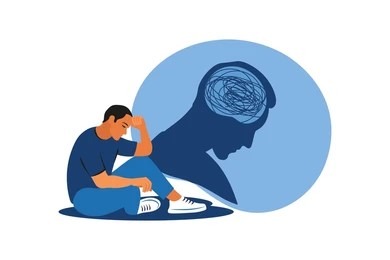
Could you, or someone you know, be struggling with a mental illness?
Below are some of the signs to look out for:
From infancy, men and women are raised to be different in emotional expressiveness. Girls are encouraged to talk about their feelings, whereas boys are bombarded with messages not to cry. Still today, the idea perseveres “big boys don’t cry”, and this message has permeated to our everyday life. Masculinity has connotations of being strong, and of being in control of emotions. This culture is even more prevalent in the maritime industry, where seafarers are expected to be strong, and able to withstand the emotional toll of the job. There is also a real fear that speaking about mental health problems will have consequences on future contracts.
In a UK-based survey, the most cited reason for not talking about a problem is that men believe that they are dealing with it, and don’t want to burden anyone with their problems. They feel ashamed to admit that they are struggling, and don’t want to admit it or appear weak.
Men are not only raised not to talk about emotional difficulties, they also have trouble recognising when they are suffering from something. One study showed that most men do not distinguish between depression and stress, which means that they believe that their symptoms of depression may actually be “stress”. This means they are more likely to dismiss their symptoms, and this prevents them from seeing a need do something about, especially if their low mood and anxiety is partly due to work-related pressures.
 For men, work can contribute to worsening mental health if they believe they are not skilled enough to meet the demands of their job; that they do not have a sense of control; they do not receive acknowledgement for their effort; and they have unrealistic expectations of themselves. Again, this is particularly relevant to seafarers, who have increasing demands on the amount of knowledge they are meant to have.
Other risk factors include:
If you recognise that you may be experiencing depression or another mental health issue, seek support.
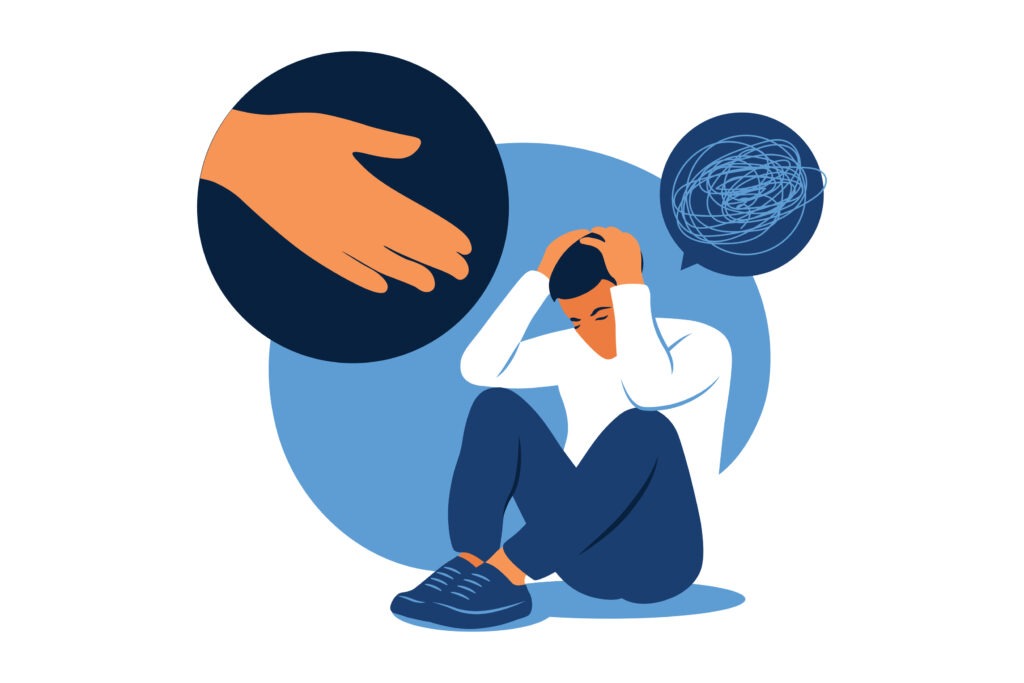
You may believe that reaching out for help may be a sign of weakness, but in reality, asking for help shows that you are taking responsibility for your well-being and that you are ready and willing to do something about it.
The field of Psychiatry and Psychology increasingly recognise the role of the four pillars of Mental Health – Sleep, Nutrition, Exercise and Social Connection.
These are fundamental and should be the first focus of your self-assessment.
However, men can be allies to each other by normalising talking about how they feel, normalising talking about mental health struggles, and about needing and receiving services.
If you want to support someone but don’t know what to say, you can refer to the following:
Mental health problems can make you believe that you’re alone, and that you are the problem. Remember that several sources of help are available, and that you can become a support to others by seeking help and breaking the stigma surrounding men’s mental health.