by the OneCare Group Editorial Team
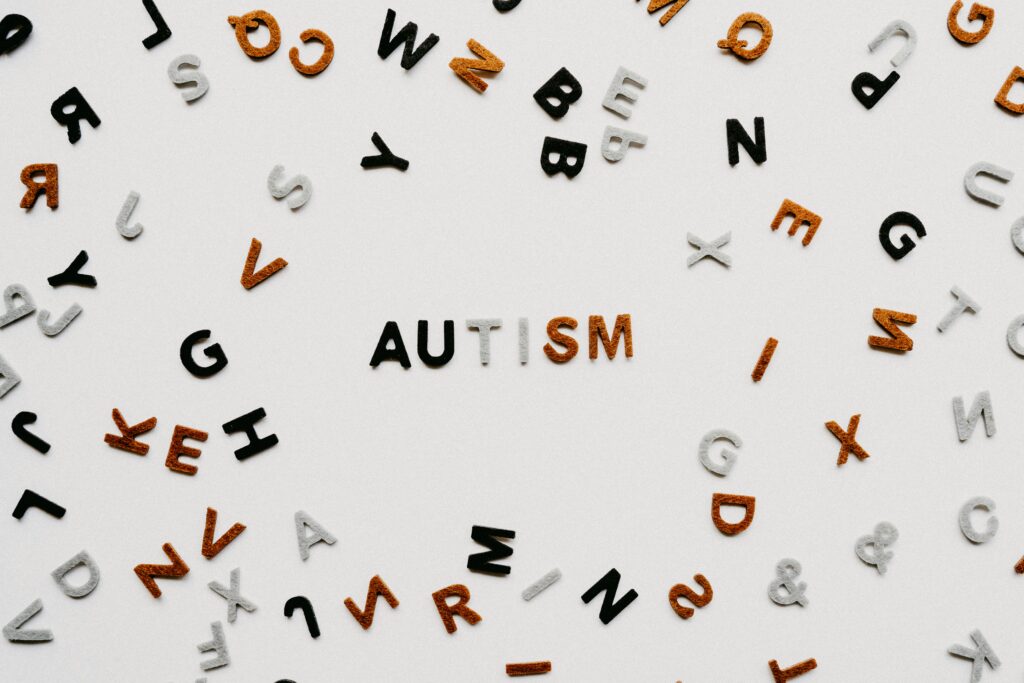
Autism Spectrum Disorder (ASD) is a developmental condition that affects how individuals communicate, interact, and experience the world. Recognised as a spectrum, it encompasses a diverse range of characteristics, strengths, and challenges unique to each individual. Autism presents differently in each individual, but there are some common traits that many autistic people share. These may include:
- Differences in social communication – Autistic individuals may find it challenging to understand social cues, maintain conversations, or engage in conventional small talk. Some may prefer direct and honest communication over social performance.
- Repetitive behaviours and routines – Many autistic individuals rely on structured routines to navigate their daily lives. Changes in routine can be distressing, as predictability provides comfort and stability.
- Sensory sensitivities – Heightened or reduced sensitivity to sound, light, textures, or smells is common. This can lead to either sensory overload or seeking sensory input for regulation.
- Deep interests and strengths – Autistic people often develop deep knowledge and expertise in specific subjects. Their intense focus and passion can lead to exceptional skills in various fields, such as technology, research, and the arts.
- Emotional regulation and mental health – Anxiety and stress are prevalent among autistic individuals, often due to societal pressures, misunderstandings, and the effort required to mask autistic traits in social settings.
Neurodiversity, a broader concept, acknowledges that variations in brain function and behaviour are natural, promoting the idea that neurodevelopmental differences, such as autism, ADHD, and dyslexia, should be recognised and valued rather than pathologised. Valuing neurodivergent employees’ strengths allows organisations to foster innovation, enhance productivity, and create a more inclusive workplace culture. Autistic individuals bring unique skills, including but not limited to:
- Attention to detail – Exceptional ability to notice patterns and inconsistencies, crucial for roles in data analysis, research, and quality control.
- Creative problem-solving – Many neurodivergent employees think outside the box, offering fresh perspectives and innovative solutions.
- Reliability and dedication – A strong sense of commitment and loyalty to tasks, with a focus on achieving high standards of work.
Despite these advantages, many workplaces are not yet fully inclusive of neurodivergent individuals. Understanding and accommodating their needs through reasonable adjustments can create a more supportive and productive work environment.
Want to Learn More?
Don’t hesitate to contact us if you’re interested in:
- Raising Autism and Neurodiversity awareness at the workplace.
- Understanding in-depth the value of neurodivergent employees, the strengths and challenges individuals may face on their regular routines
- Fostering a more inclusive and autism-friendly working environment.
- Providing reasonable adjustments for neurodivergent employees.
Together, we can build an inclusive and supportive workplace for all.
Contact us at training@onecaregroup.global for further information.
Photo credits
Photo by Annie Spratt on Unsplash